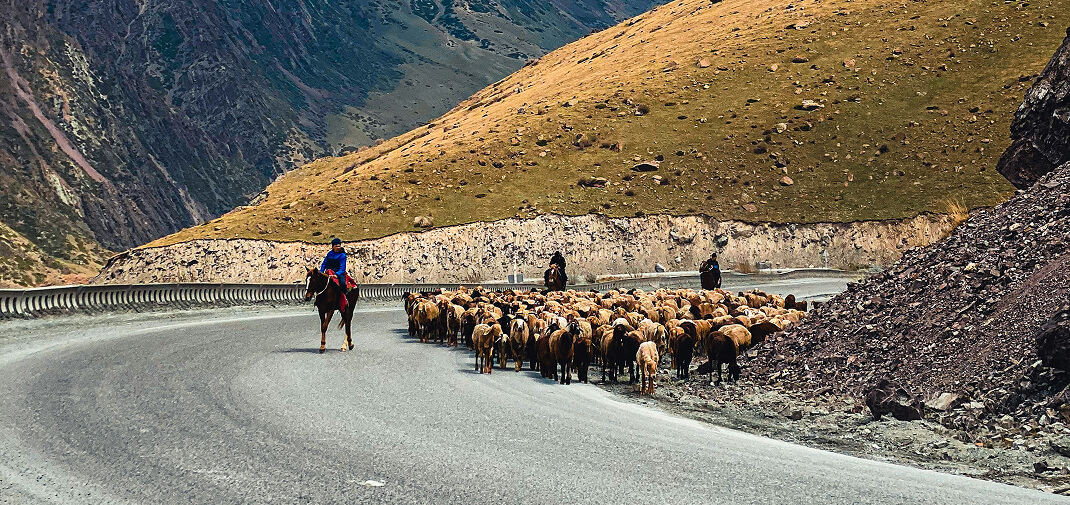
If you hit a cow on a rural highway, your first thought is usually shock. Your second thought is liability. Many drivers assume the livestock owner is automatically responsible. Under North Dakota livestock laws, that is not always the case.
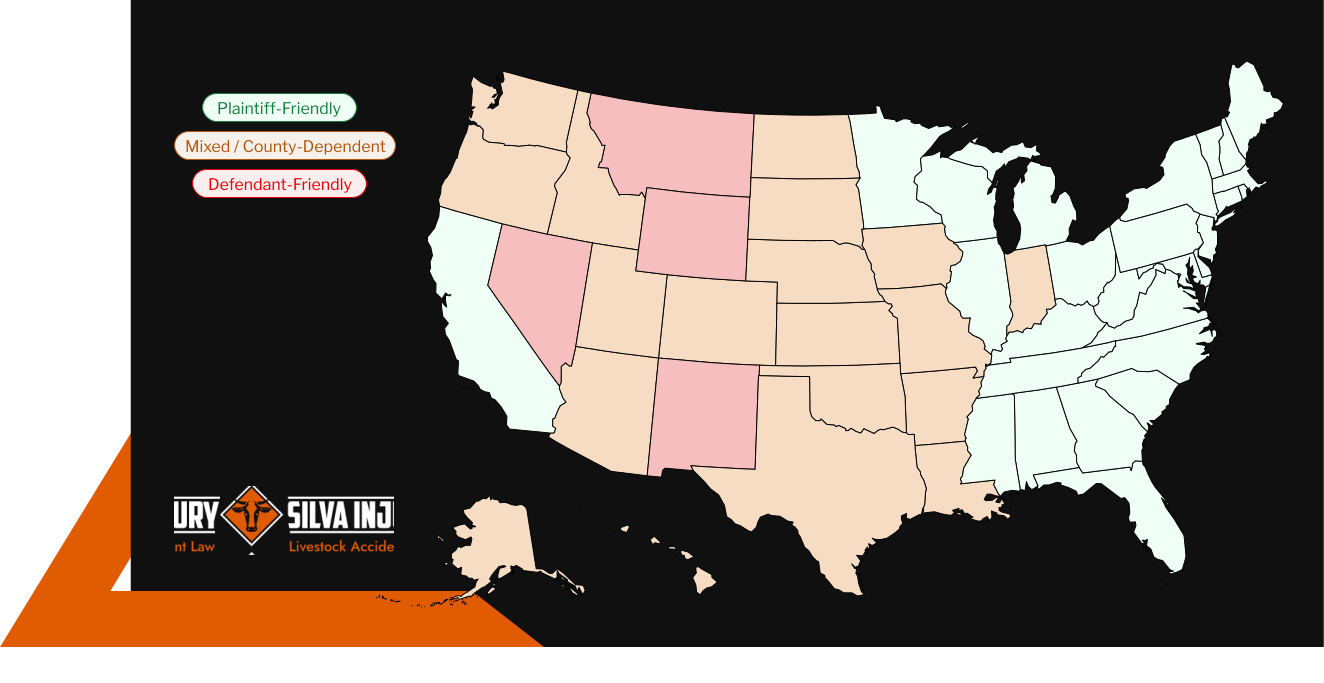
Unlike some other nearby states, North Dakota does not follow a traditional “open range” system. Instead, liability after a collision depends on whether the accident occurred within a locally designated grazing district and whether the livestock owner acted negligently.
Understanding how any applicable local and state-level laws interact is critical before assuming fault or filing an insurance claim for a North Dakota livestock accident.
Are Livestock Owners Automatically Liable in North Dakota?
No, livestock owners are not automatically liable for collisions with animals in a roadway.
North Dakota law generally prohibits livestock from running at large. When an owner is negligent in controlling their animals and that negligence leads to an accident resulting in injury, the owner is typically responsible for damages.
However, there is an important exception. In certain areas designated by county officials as “grazing areas,” livestock owners may have limited liability for accidents involving their animals.
What Is a Grazing Area Under North Dakota Law?
A grazing area is a locally designated zone chosen and approved by a county’s board of commissioners. Within these zones, livestock owners may not be liable for injuries or property damage caused by their animals in certain circumstances.
For land to qualify as a legal grazing area, it must:
- Be used primarily for livestock grazing;
- Be enclosed by fencing or other means; and
- Have warning signs posted along highways that pass through, indicating limited liability of drivers.
If these requirements are not met, the limited liability protections granted to owners of livestock in these areas may not apply.
When Can a Livestock Owner Be Held Responsible?
Outside a grazing area, a livestock owner can be liable for an animal-related accident if their actions or inaction amount to negligence.
Examples of potentially negligent behavior include:
- Failing to repair a known broken fence,
- Allowing animals to escape repeatedly,
- Driving livestock onto a roadway without proper warning, and
- Ignoring previous incidents of animal escape.
Even within designated grazing areas, a livestock owner could still face liability if the requirements for maintaining the area are not satisfied or if the owner acts with negligence under the circumstances.
To assess liability, an experienced livestock accident lawyer in North Dakota will typically investigate:
- Fence conditions,
- Prior complaints or escape history,
- Weather events,
- Branding or ownership records, and
- Law enforcement reports.
These details can determine whether a claim has legal merit.
What Happens If You Hit North Dakota Livestock?
Collisions involving North Dakota livestock often result in:
- Severe vehicle damage,
- Airbag deployment,
- Total loss of the vehicle, and
- Serious injury or fatality.
Cows can weigh over 1,000 pounds. At highway speeds, the impact can be catastrophic. After an accident:
- Call law enforcement immediately,
- Seek medical evaluation,
- Photograph the scene,
- Obtain witness information, and
- Avoid making fault admissions before understanding the legal framework.
Insurance companies frequently deny these claims quickly, especially if the accident occurred in a recognized grazing area.
Comparative Fault in North Dakota Livestock Accidents
North Dakota follows a modified comparative fault system. If a driver is found more than 50% responsible for a crash, they cannot recover damages. If the fault is 50% or less, recovery may be reduced proportionally.
In livestock collision cases, insurers often argue:
- The driver was speeding,
- The driver failed to keep a proper lookout, and
- The accident could have been avoided.
A thorough investigation can help counter unsupported allegations of fault.
Damages in Livestock Collision Cases
If negligence can be established, compensation may include:
- Medical expenses,
- Lost wages,
- Future medical care,
- Vehicle repair or replacement, and
- Pain and suffering.
In severe cases involving permanent injury, you may pursue compensation for long-term damages. Your lawyer will evaluate the full extent of damages before negotiating with insurers.
Why These Cases Are More Complex Than They Appear
Livestock accident cases combine:
- Rural property law,
- Local township regulations,
- State fencing statutes, and
- Insurance coverage disputes.
They are not typical car accident cases. Liability may depend on investigating decades-old local ordinances as well as whether an owner acted reasonably under the circumstances. Understanding North Dakota livestock laws requires more than reviewing a police report. It requires legal analysis of land use, fencing duties, and local governance.
Do You Need a Livestock Accident Lawyer in North Dakota?
If you were seriously injured after colliding with livestock, speaking with a lawyer can help clarify your rights. These cases often hinge on small but critical details:
- Was the accident inside a designated grazing area?
- Did the owner receive prior notice of fencing issues?
- Was the roadway properly marked?
- Were there prior livestock incidents in the same area?
Insurance carriers may deny liability quickly, but that does not mean recovery is impossible.
Frequently Asked Questions About North Dakota Livestock Accidents
Is North Dakota an Open Range State?
No, North Dakota does not follow a traditional open range system. Instead, it uses a grazing area framework, and liability depends on the specific location of the accident as well as potential negligence.
Can I Sue If I Hit a Cow in North Dakota?
You may have a claim if you can prove the livestock owner acted negligently or violated fencing requirements in a grazing area.
Who Pays for My Car If I Hit North Dakota Livestock?
Your own collision coverage may apply first. If the situation involves liability against the livestock owner, their insurance may also be responsible.
How Do I Find out If the Accident Happened in a Grazing Area?
Local township offices or county officials can provide records. A livestock accident attorney in North Dakota can also investigate this issue as part of the case evaluation.
Speak with the Livestock Lawyers at Silva Injury Law
Collisions involving North Dakota livestock are not ordinary car accidents. Liability often turns on grazing area rules, fencing obligations, and whether a livestock owner acted reasonably under the circumstances. Insurance carriers know these cases are complicated, and they often deny responsibility quickly.
Michael Joe Silva is a former Deputy District Attorney who prepares every case as if it may go to trial. That mindset matters when fault is disputed, and the other side assumes that rural range laws automatically protect them. A thorough investigation into fencing conditions, local township regulations, and prior incidents can change the outcome of a case.
If you were injured after hitting livestock in North Dakota, do not rely solely on the insurance company’s interpretation of the laws. Get a clear legal evaluation first. Contact us today to learn how we can help.