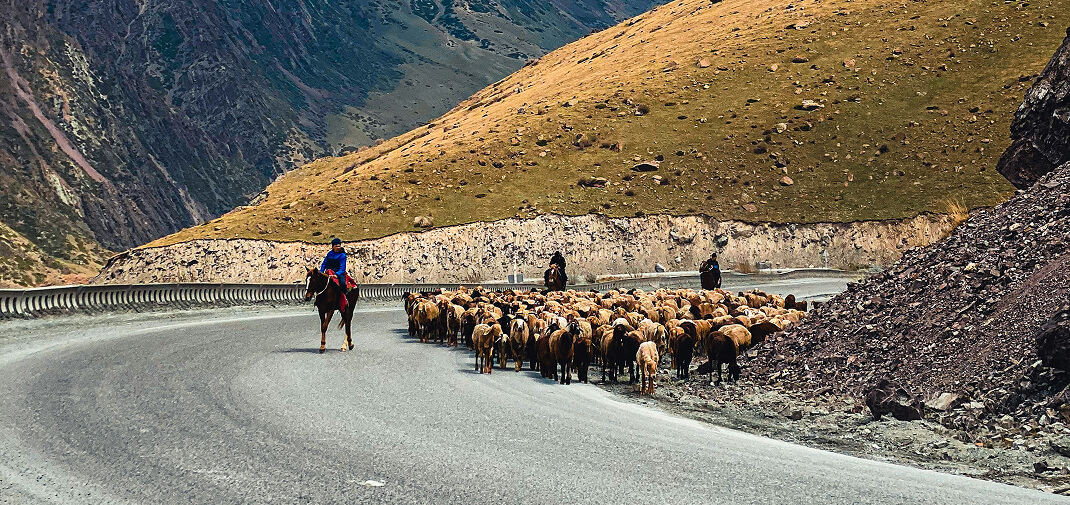

Driving down a rural Illinois road at night offers a specific kind of peacefulness that shatters the moment a 1,200-pound cow stands directly in front of your headlights. There is no time to stop. The impact is heavy, and the damage is immediate. In the aftermath, you are left standing on the roadside with a wrecked car, adrenaline shaking your body, wondering how this happened.
Most drivers know what to do after hitting another car, but colliding with 1,000 pounds of livestock changes the script entirely. If this happened to you, you are likely trying to figure out who pays if you hit a cow on the road in Illinois and whether your crash is something the livestock owner has to cover.
The “Fenced-in” Reality of Illinois Law
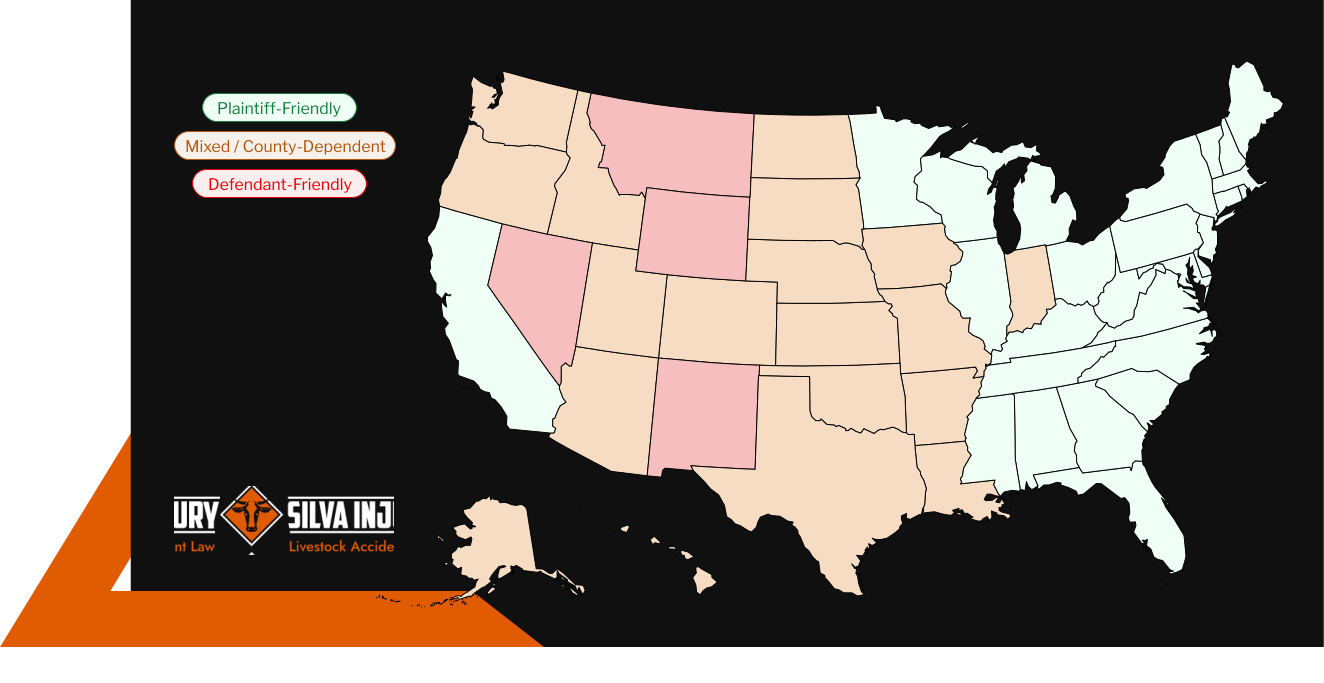
Some states have “open range” laws and let animals roam free. Illinois is different. The state follows a “fenced-in” doctrine. Whether you are in Cook County or scenic Jo Daviess County, the law is uniform: livestock owners have an affirmative duty to contain their animals.
The Domestic Animals Running at Large Act states:
“No person or owner of livestock shall allow livestock to run at large in the State of Illinois. All owners of livestock shall provide the necessary restraints to prevent such livestock from so running at large…”
Providing the necessary restraints depends entirely on the animal. An enclosure for pigs and sheep would not be adequate for containing cows and horses.
This is where Illinois law differs from standard car accident claims.
I Hit a Cow on the Road—Who Is Responsible in Illinois? Proving Negligence
In a typical car crash, the injured party must prove the other driver was negligent. In a livestock accident, the legal burden shifts. Under the Act, a livestock owner is liable for damages unless they can prove two specific points:
- They did not have knowledge that the animal was out, and
- They used reasonable care in restraining the animal.
In Corona v. Malm (2000), the Illinois Appellate Court confirmed this shift. Once the plaintiff proves they hit an animal owned by the defendant on a public road, it is up to the defendant to present evidence that they exercised reasonable care and lacked knowledge of the escape. You don’t have to prove they were careless; they have to prove they were careful.
Proving the Livestock Owner’s Liability
Building a negligence case involves gathering evidence that challenges the owner’s defense. Documenting the scene with the following evidence is critical to proving how the animal escaped:
- Photos of damaged or deteriorated fencing often prove the owner knew repairs were needed;
- Police reports can verify if this specific animal or herd has escaped before, establishing a pattern;
- Witness statements from neighbors might reveal a history of loose livestock; and
- Veterinary records can sometimes link the animal to a specific farm if ear tags are missing.
This evidence can transform a “freak accident” into a clear case of negligence. Livestock owners commonly defend themselves by claiming they did everything right or that a third party (like a trespasser) opened the gate. However, without proof of that interference, the law generally holds the owner accountable for securing their property.
Can You Sue If You Hit a Cow in Illinois? What Recovery Looks Like
The physical and financial toll of these accidents is often greater than that of a typical fender-bender. Cattle are dense and tall. Hitting one usually destroys the vehicle’s cabin, leading to serious injuries for the driver and passengers.
So what happens if you hit a cow with your car? Illinois insurance claims often involve:
- Medical expenses—covering hospital bills, rehabilitation, and long-term therapy;
- Lost wages—compensation for the time you are forced to take off work to heal;
- Property damage—repair or replacement of your vehicle or other property that was destroyed; and
- Pain and suffering—compensation acknowledging the physical pain and emotional stress of the crash.
Under Illinois’s comparative negligence rules, you can receive damages as long as you were not more than 50% at fault. Insurance companies may say you should have seen the cow earlier, but black cattle on dark roads are nearly impossible to see in time.
Silva Injury Law: Compassionate Advocacy
At Silva Injury Law, our duty goes beyond winning significant awards. We strive to be decent human beings who solve problems. When you are hurt, you shouldn’t have to battle an insurance company alone.
Our team looks at the evidence. We review the fence lines, police reports, and the history of the farm to tell your story. We aim for total peace of mind. We work to ensure that you can pay your medical bills and replace your vehicle, allowing you to move forward.
Heal. Recover. Move Forward.
If you or a loved one has been involved in a livestock collision, don’t agree to any settlements or sign anything from the owner’s insurance company without speaking to an attorney. They have teams working to minimize their payout.
You deserve a team that prioritizes your recovery. Concentrate on healing, and we’ll handle the legal maze.
Frequently Asked Questions
Does Auto Insurance Cover Hitting a Cow?
If you have comprehensive coverage, your policy should pay for damage to your car, no matter who was at fault. For medical bills or other losses, you may need to make a liability claim against the livestock owner’s farm insurance, especially if your own insurance is not enough to cover your losses.
Is It a Crime to Hit a Cow?
Hitting a cow is considered an accident, not a crime, as long as you were driving legally and not under the influence or reckless. However, leaving the scene without reporting the accident can lead to legal trouble. Always call the police to document the incident, as this also creates the official record necessary for your injury claim.
Resources
- Illinois Courts. Illinois Pattern Civil Jury Instructions – Rule No. 10. Negligence and Ordinary Care, link
- Illinois Courts. Illinois Pattern Civil Jury Instructions – Rule No. 11. Contributory Negligence, link
- Abadie v. Royer, 215 Ill. App. 3d 444, link
- Illinois General Assembly. 735 ILCS 5/2-1115.2 Economic and non-economic loss, link
- National Agricultural Law Center. States’ “Fence Law” Statutes, link
Silva Injury Law is licensed in California and Utah. For cases outside these jurisdictions, we work with local counsel or refer cases as appropriate.