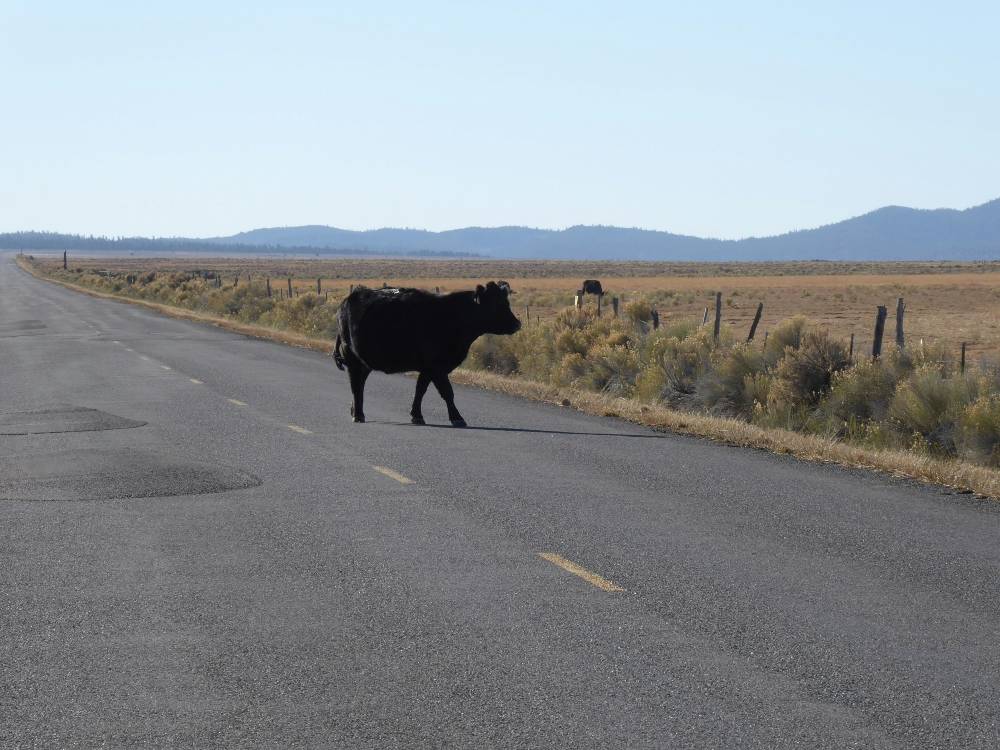
Hitting a cow on a rural Kentucky roadway is not a minor accident. Livestock collisions often result in severe vehicle damage, traumatic injuries, and complex liability questions. If you were involved in this type of crash, you may be wondering whether you need a Bowling Green livestock accident injury lawyer or whether your insurance will handle it.
The answer depends on how the animal entered the roadway, whether the livestock owner followed Kentucky fencing laws, and whether negligence can be proven. These cases are rarely as straightforward as standard car accidents.
Are Livestock Owners Automatically Liable In Kentucky?
No. Kentucky does not impose automatic liability simply because a cow wandered onto the road. Unlike traditional motor vehicle collisions involving driver negligence, livestock accidents involve property, agricultural regulations, and fencing laws.
In Kentucky, livestock owners have a duty to prevent animals from roaming onto public roadways. However, proving liability typically requires showing that the owner:
- Failed to maintain proper fencing,
- Knew the fence was damaged and did not repair it,
- Allowed livestock to escape repeatedly, and
- Neglected reasonable containment measures.
If a storm or a third party damages a fence and the owner had no reasonable opportunity to repair it, liability may be disputed.
A knowledgeable Bowling Green livestock accident injury attorney investigates whether the escape resulted from negligence or an unavoidable event.
Kentucky’s Comparative Fault Rule
Kentucky follows a pure comparative fault system, meaning liability can be shared among parties based on their percentage of fault.
In livestock collision cases, insurance companies sometimes argue that the driver:
- Was speeding,
- Was distracted,
- Failed to maintain proper lookout, or
- Overdrove headlights at night.
Even if a livestock owner was negligent, your recovery may be reduced if you are found partially at fault.
An experienced Bowling Green livestock accident injury lawyer evaluates these defense strategies early and prepares to address them.
Why Livestock Collisions Often Cause Severe Injuries
Unlike deer collisions, hitting a cow or large farm animal often results in catastrophic impact. Cattle can weigh over 1,000 pounds. When struck at highway speeds, the animal’s body may crash through the windshield, causing:
- Traumatic brain injuries,
- Neck and spinal injuries,
- Facial fractures,
- Internal bleeding,
- Crush injuries, and
- Fatalities.
These are not minor fender-bender claims. They frequently involve long-term medical treatment and permanent impairment. Because of the injury severity, determining fault becomes financially significant.
What Evidence Matters After a Cow Collision?
Evidence preservation is critical in livestock cases. Unlike standard vehicle accidents, the animal may be removed quickly, and the owner may alter fencing conditions.
Important evidence can include:
- Photographs of the accident scene,
- Fence condition documentation,
- Branding or tagging identification,
- Police accident reports,
- Witness statements,
- Prior complaints about loose livestock, and
- Veterinary or agricultural records.
If fencing was visibly damaged or improperly secured, that evidence can be decisive.
A Bowling Green livestock accident injury attorney may also examine land ownership boundaries and agricultural compliance records.
Insurance Complications in Livestock Accident Claims
Livestock accidents can involve multiple insurance policies, such as the owner’s farm liability, homeowner’s insurance, commercial agricultural policies, and your own collision or uninsured motorist coverage.
Farm insurance carriers often conduct aggressive investigations. They may argue that:
- The animal was not owned by the insured,
- The fence was adequate,
- The escape was unforeseeable, or
- Weather caused the incident.
These disputes can delay compensation significantly. Involving a Green livestock accident injury lawyer early on can help level the playing field in negotiations.
When Is the Livestock Owner Negligent?
While every case is fact-specific, liability may be stronger when evidence shows:
- Broken fencing that had not been repaired in a timely manner,
- Gates left open,
- Repeated prior livestock escapes,
- Failure to inspect containment systems, or
- Violation of local agricultural containment requirements.
Patterns matter. If neighbors previously complained about roaming cattle, that history can support a negligence claim.
What If the Owner Is Unknown?
In some cases, especially in rural areas outside Bowling Green, identifying the animal’s owner may take time. Law enforcement may assist in identifying:
- Branding marks,
- Ear tags,
- Farm proximity, and
- Property boundary records.
If the owner cannot be located, uninsured motorist coverage may become relevant. These cases require careful coordination between investigation and insurance policy analysis.
What Damages Can Be Recovered?
If negligence is proven, compensation may include:
- Emergency medical expenses,
- Ongoing treatment costs,
- Lost wages,
- Reduced earning capacity,
- Pain and suffering, and
- Property damage.
In catastrophic injury cases, damages may cover lifetime medical expenses and diminished quality of life.
Do You Always Need a Lawyer After Hitting a Cow?
Not every livestock collision requires litigation. Minor vehicle damage with no injuries may be resolved through insurance.
However, you should strongly consider consulting Bowling Green livestock accident injury lawyers if:
- You sustained significant injuries,
- Medical treatment is ongoing,
- Liability is disputed,
- The livestock owner denies responsibility,
- Insurance coverage is unclear, or
- A fatality occurred.
Livestock cases often appear simple but become legally complex once insurers get involved.
Speak with a Bowling Green Livestock Accident Injury Lawyer
Livestock collision cases are rarely simple insurance matters. They involve agricultural liability issues, fencing standards, comparative fault arguments, and farm insurance carriers that often resist responsibility.
Attorney Michael Joe Silva brings years of courtroom experience to every injury case. Before founding Silva Injury Law, he served as a deputy district attorney, where he conducted numerous jury and court trials and developed a deep understanding of how cases are built, challenged, and proven under scrutiny. That litigation background informs how we investigate serious injury claims from the outset.
If you were injured after hitting livestock in or near Bowling Green, Kentucky, your case deserves careful legal analysis rather than assumptions about fault. Silva Injury Law evaluates the strength of the evidence, insurance coverage issues, and long-term damages before advising on next steps.
Contact Silva Injury Law for a confidential consultation to discuss your rights and determine whether pursuing a claim against a negligent livestock owner is appropriate in your situation.
Frequently Asked Questions About Livestock Accidents in Bowling Green, Kentucky
What Should I Do Immediately After Hitting a Cow in Kentucky?
First, prioritize your safety. Move your vehicle out of traffic and call 911. Livestock collisions often occur on dark, rural roads, where secondary crashes pose a serious risk.
Do not attempt to move the animal yourself. Law enforcement can document the scene and help identify the livestock owner. Take photographs of:
- The vehicle damage,
- The roadway conditions,
- The animal,
- Nearby fencing, and
- Skid marks or debris.
Prompt documentation can be important evidence if someone later disputes liability.
Can a Livestock Owner Be Liable If the Animal Escaped Because of Weather?
Possibly, but it depends on the circumstances. If a storm damaged fencing and the owner failed to inspect or repair it within a reasonable time, liability may still exist. However, if the damage occurred moments before the collision and the owner had no opportunity to respond, proving fault may be more difficult.
These cases often hinge on whether the livestock owner acted reasonably under the circumstances. A Bowling Green livestock accident injury attorney investigates inspection practices and prior fencing conditions to evaluate negligence.
What If the Cow Belonged to a Neighboring Farm but Was Grazing Near Someone Else’s Property?
Livestock ownership and land location are not always the same. Determining liability requires identifying who owned the animal and who was responsible for maintaining the fence or enclosure.
Branding records, ear tags, and agricultural registration documents may help establish ownership. Liability analysis focuses on control and containment responsibility.
Will My Insurance Rates Increase If I File a Claim?
Livestock collisions are typically classified as comprehensive claims rather than at-fault accidents, especially when an animal unexpectedly enters the roadway. However, insurance classifications can vary.
If liability is unclear or disputed, insurers may initially process the claim under your policy while pursuing reimbursement from the livestock owner’s insurer.
Consulting a Bowling Green livestock accident injury lawyer can help clarify how insurance dynamics may affect your situation.
Are Livestock Accident Cases Different from Deer Collisions?
Yes. Deer collisions are generally considered unavoidable wildlife incidents, and there is no owner to pursue for damages.
Cattle, horses, and other farm animals are privately owned. When they enter public roadways due to negligent containment, the owner may be financially responsible.
How Long Do I Have to File a Lawsuit in Kentucky?
Kentucky law imposes strict legal deadlines for filing personal injury claims. In many motor vehicle–related injury cases, the statute of limitations is one year from the date of injury, but specific facts may affect the deadline. Property damage claims must be filed within two years of the date of damage.
Waiting too long can prevent recovery entirely. Early legal review helps protect your rights.
What If I Was Driving at Night and Could Not See the Animal in Time?
Nighttime livestock accidents are common in rural Kentucky. Visibility limitations alone do not automatically assign fault to the driver. Liability depends on multiple factors, including:
- Road lighting,
- Animal coloration,
- Speed,
- Road conditions,
- Fence proximity, and
- Whether the livestock had escaped previously.
Insurance companies may argue that you should have anticipated hazards. A thorough investigation examines whether that argument is reasonable under the circumstances.
Can I Recover Damages If a Family Member Was Killed in a Livestock Accident?
If a fatal livestock collision resulted from negligent containment, surviving family members may be able to pursue a wrongful death claim under Kentucky law. These claims can include compensation for:
- Medical expenses prior to death,
- Funeral expenses,
- Loss of income, and
- Loss of companionship.
Wrongful death cases require careful legal analysis and prompt action.